Upper Bavaria · Bavarian Alps
Lake Walchensee Guide 2026
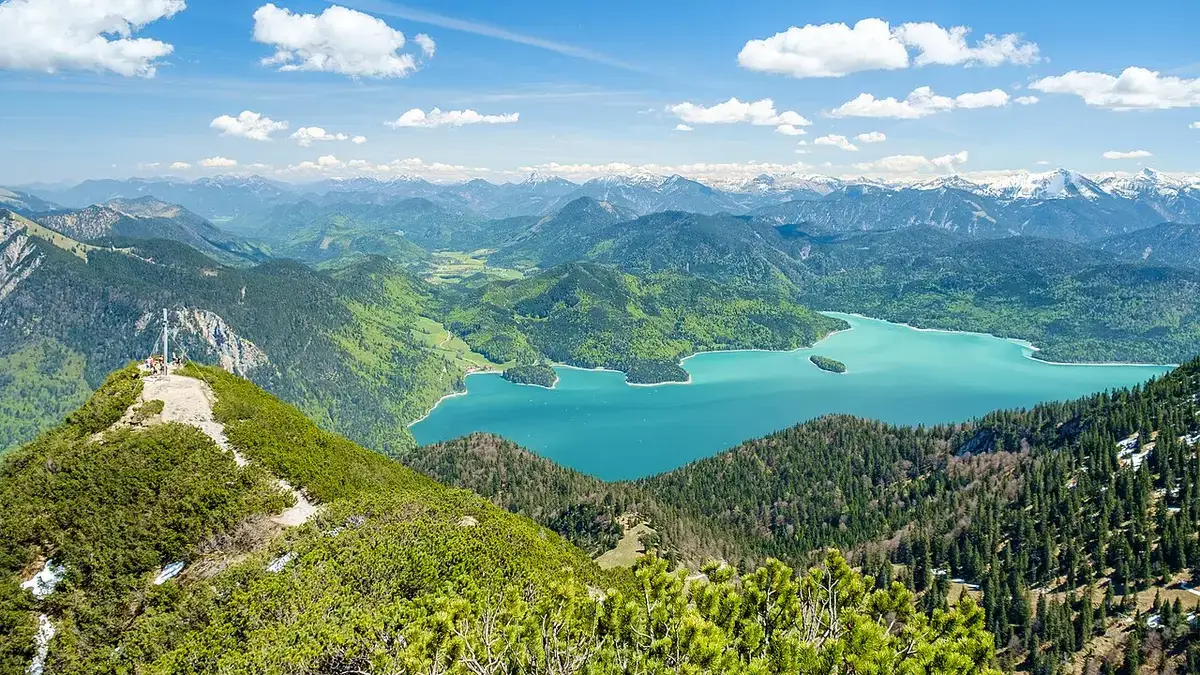
Lake Walchensee is a large, cold alpine lake in Upper Bavaria, south of Munich. People come for the Herzogstand cable car, ridge hikes, swimming spots and quiet villages such as Urfeld. Sunny weekends are busy and parking fills early, so arrive early, visit midweek, take the train to Kochel plus a bus, or stay overnight.
Book and plan
Stays and tours at the lake
Check stays and tours early — sunny weekends fill up fast around the lake.
Affiliate disclosure: Some booking links are affiliate links. If you book through them we may earn a commission at no extra cost to you.How we fund this guide
What is Lake Walchensee?
Lake Walchensee is a deep, cold alpine lake in the Upper Bavarian district of Bad Tölz-Wolfratshausen, south of Munich and just north of the Karwendel and Wetterstein ranges. German rail marketing calls it Germany’s largest alpine lake, and in practice that means a long shoreline, forested slopes and clear water that changes color with the weather. The lake sits higher than its neighbor Kochelsee, and the two are linked by the Walchensee hydropower scheme, which uses the drop between them to generate electricity.
Most visitors come for one of four things: the Herzogstand cable car and ridge walks, a swim from a quiet shoreline spot, a scenic drive over the Kesselberg, or a calm few days in a small village. The area is marketed as the Zwei-Seen-Land, meaning the region around Kochelsee and Walchensee, and its official tourist information is bilingual in places but mostly German, so plan to use a translation tool for timetables and notices.
This guide is written for visitors who do not know the area yet, especially travelers from Munich. It covers the villages, the cable car, getting there, parking, swimming, hiking and where to sleep. It also tries to be honest about the downsides. The lake is popular, the water is cold, the weather turns quickly in the mountains, and a lot of practical details such as opening hours and parking rules change from season to season. Where we cannot confirm something from an official source, we say so and point you to the right website.
Where is Lake Walchensee and which village should I choose?
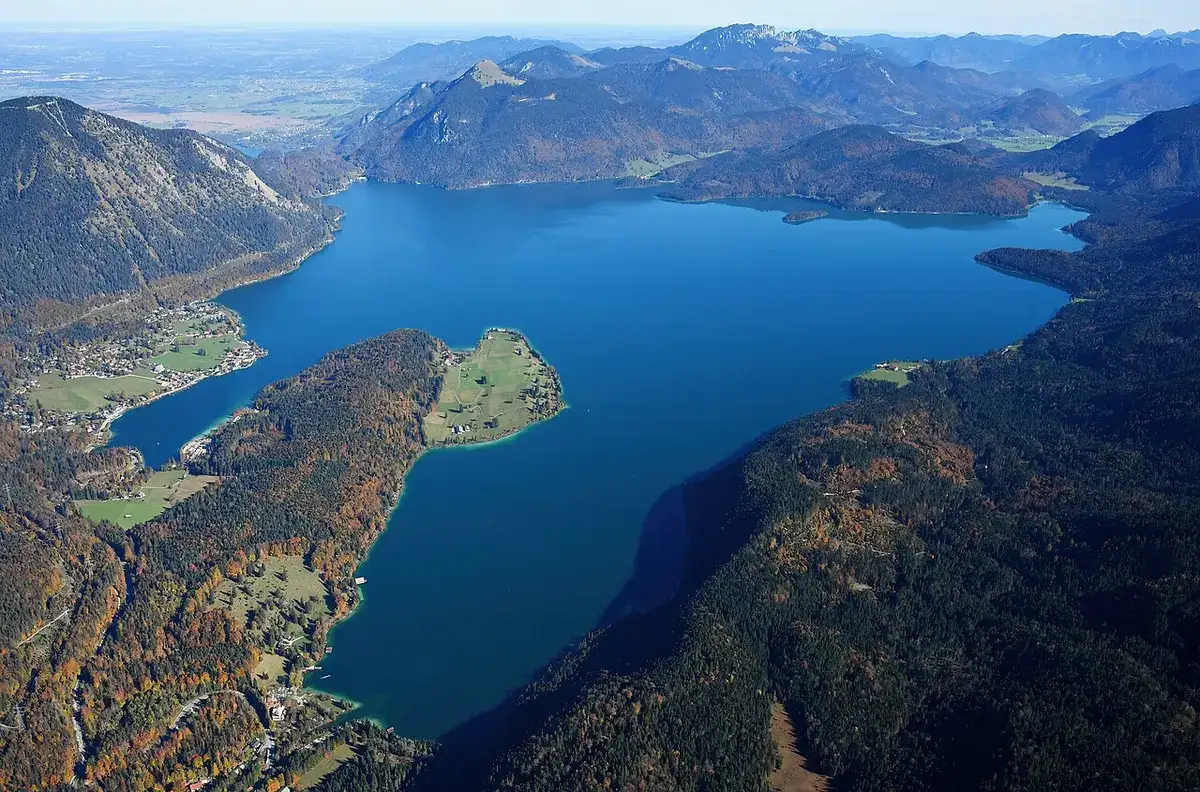
The lake lies between Kochel am See in the north and Mittenwald in the south, with the Kesselberg pass connecting it to the Kochelsee side. The lake villages are small, and each has a different feel, so choosing the right one saves a lot of driving.
| Place | Best for | Notes |
|---|---|---|
| Walchensee (village) | Swimming access, boat rental, a classic lake base | Several guesthouses and holiday flats; check the shoreline rules |
| Urfeld | Herzogstand and Jochberg access, north-shore views | Near the Kesselberg road; popular on sunny weekends |
| Einsiedl | Quieter east shore, road toward the Jachenau | Smaller and more local in character |
| Zwergern | Peninsula walks and a calmer shoreline | Check access and accommodation locally |
| Niedernach and Sachenbach | Remote west shore | Reached by a toll road; confirm status before driving |
| Kochel am See | More hotels, shops and the train station | On Kochelsee, a drive from Walchensee |
| Wallgau and Krün | Spa hotels and the Karwendel side | Valley towns north of Mittenwald |
| Mittenwald | Old town, rail line, wider hiking base | Longer trip to the lake |
| Jachenau | Quiet valley, traditional inns | Not on the lake |
The honest summary is that there are few hotels directly on the shoreline. If you want to be on the water at sunrise, look at the lake villages, but expect a short list of small properties. If you would rather have more choice, restaurants and a train station, Kochel am See is the practical base, with Wallgau, Krün and Mittenwald as alternatives on the Karwendel side. Our hotel guide walks through all of them, including drive time notes to verify before you book.
How do I get to Lake Walchensee from Munich?
You can drive or use public transport. By car, the usual route follows the motorway toward Garmisch-Partenkirchen and then the B11 through Kochel am See and over the Kesselberg to the lake. By public transport, Deutsche Bahn recommends the regional train from Munich main station to Kochel am See, then a local bus to the Herzogstandbahn stop on the lake.
The bus line along the lake connects Kochel, the lake villages, Wallgau, Krün, Mittenwald and Garmisch-Partenkirchen. It runs on a fixed timetable, so always check the last return before you start a hike. Walkers who plan a long day should note down the final departure time from the stop at the end of the route, because a missed bus means a long wait or a pricey taxi, and local taxis are not guaranteed.
For a step-by-step plan, including a train-and-bus itinerary, see our Walchensee day trip from Munich. If you want the detailed German-language route pages, the Anreise guide covers car, train and bus in German.
What is the Herzogstandbahn and is it worth it?
The Herzogstandbahn is the cable car that lifts visitors toward the Herzogstand, the mountain above the north shore of Walchensee that is also the start of the popular ridge walk to the Heimgarten. It saves the steep first part of the climb, which suits families, older hikers and anyone who wants the view without a full day of effort. The summit area has a mountain hut and a marked network of trails.
Whether it is worth using depends on your plans. If you intend to hike, the cable car lets you start higher and keep energy for the ridge. If you only want the view, the ride plus a short walk is enough. On busy days, expect queues, and note that the cable car has seasonal operation and maintenance breaks, so never plan a whole trip around it without checking the official website.
We do not quote fares here. Ticket conditions and online booking are on the official Herzogstandbahn site, and our own German Herzogstandbahn guide has more detail on stations and walking links.
Is parking a problem at Lake Walchensee?
On sunny weekends and public holidays, yes. Car parks near the most popular shoreline spots and near the Herzogstandbahn can fill early. The practical advice is to arrive early, visit midweek if you can, come by train and bus, or stay overnight so you are already there when the day trippers arrive.
Specific car parks, capacities, fees and closures change, and we do not list unsourced numbers. Check the Zwei-Seen-Land tourist office and the municipality pages for current rules, and follow signs on site.
A few habits make the day easier. Have a fallback plan if your first car park is full. Do not block farm tracks or emergency access. Carry some change or a payment card, because fees may apply and machines vary. If you plan a long hike, choose a start that has a bus stop, so you can leave the car out of the equation.
Can you swim in Lake Walchensee?
Yes, many people do, but expect cold water even in midsummer, because the lake is deep and fed by mountain streams. Some visitors call it the “Bavarian Caribbean” for its turquoise color, which is a nickname, not a promise of warm water. Plan short swims, bring water shoes if the shoreline is stony, and never swim alone.
There is no guarantee of a lifeguard at every access point, and winds can change quickly. Protected zones, nesting areas and private frontage exist along parts of the shoreline, so look for signs and respect them. Boating and watersport rules are specific to this lake, including limits on motorized boats, and they should be confirmed with the official sources rather than assumed.
Some hotels, including a few on the lake, offer their own jetty or lake access for guests. Our hotel guide flags which properties say so on their own websites.
What hiking is there around Lake Walchensee?
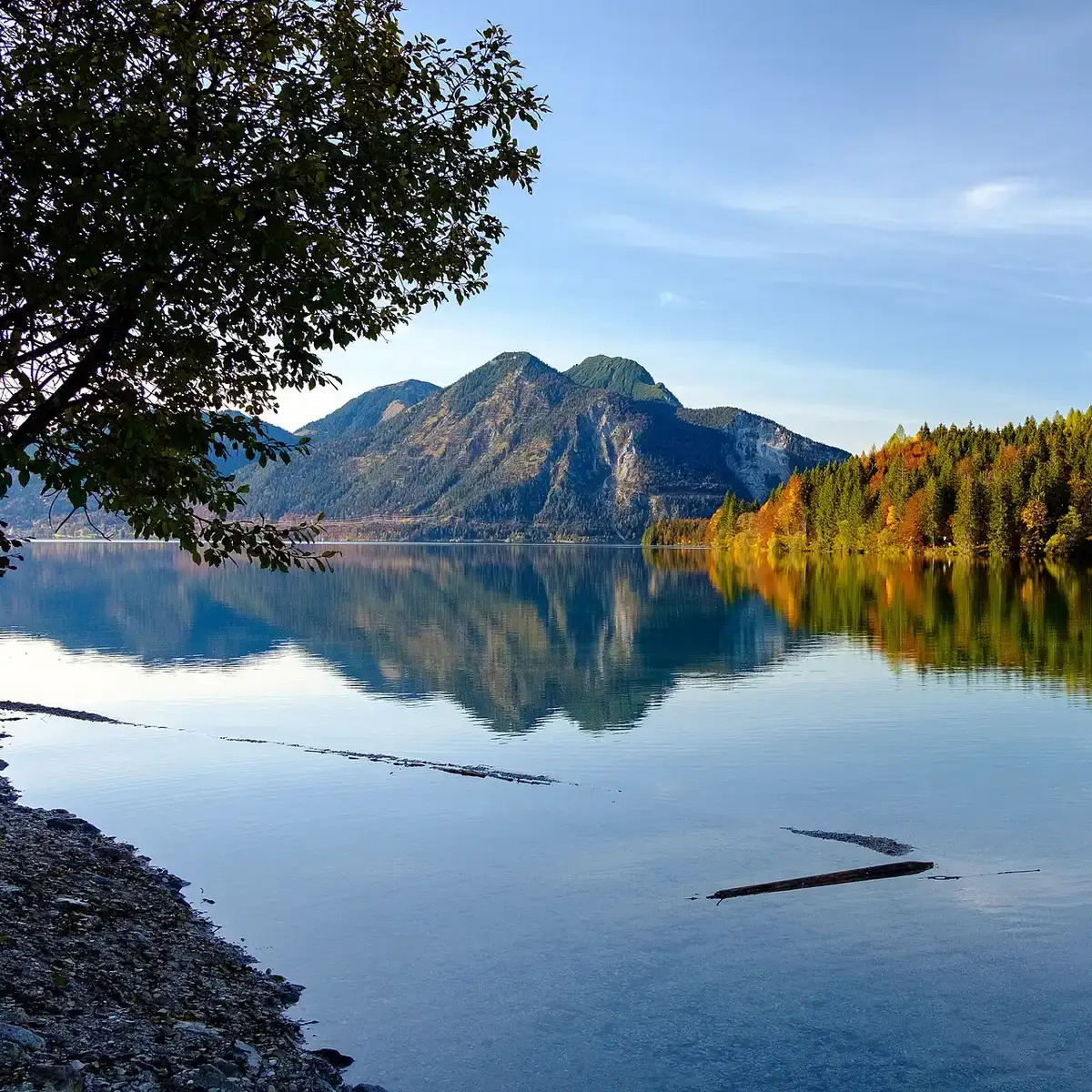
The lake has a good mix of easy shoreline walks and serious mountain routes. The Herzogstand and the Heimgarten ridge are the best-known objective. The Jochberg, reached from the Kesselberg side, is a shorter but steep alternative. Longer circuits and forest tracks surround the lake, and some are shared with cyclists.
Ridge routes need sure-footedness, good shoes and a weather check. Fog, thunderstorms and snow patches can turn a simple outing into a risky one, and cell coverage can be patchy. Always tell someone your plan, turn around if conditions change, and carry water, layers and a map.
| Route | Best for | Difficulty | Notes |
|---|---|---|---|
| Herzogstand with the cable car | Views with less climbing | Moderate | Seasonal lift, check operation |
| Herzogstand to Heimgarten ridge | Experienced hikers | Demanding | Exposed sections, weather dependent |
| Jochberg from the Kesselberg | A shorter steep climb | Moderate to demanding | Check parking at the start |
| Shoreline paths | Families, easy days | Easy | Parts may be shared with cyclists |
Our Herzogstand hiking guide compares approaches, explains the cable-car closure and sets out the considerations for the Heimgarten ridge.
Where should I stay near Lake Walchensee?
The short answer is that your choice depends on how much lake you want. A small number of hotels sit right on the water, for example in Urfeld and Walchensee village, and they tend to be small and book early. Kochel am See has more hotels and a train station, and the Alpenwelt Karwendel side, with Wallgau, Krün and Mittenwald, adds spa hotels and a livelier old town.
If you want holiday apartments or a campsite, the lake villages have many guesthouses and holiday flats, and camping is an option around the area. Always confirm availability, pet policy and parking directly with the property, because policies change.
Compare current options through our Walchensee hotel guide, which lists properties confirmed on their own websites or official tourism sites, with a Check latest price button for each. We do not list prices on the page itself.
When is the best time to visit?
Late spring to early autumn is the main season for swimming, cable car rides and high trails. July and August bring the biggest crowds, especially on weekends. May, June and September are often calmer, though snow can still linger high up in early summer, and thunderstorms are common on summer afternoons.
Winter has its own character, with snow-covered peaks and quiet lake views, but many facilities close or reduce service, and mountain routes can be dangerous without experience. If you visit in winter, check road conditions on the Kesselberg, cable car status and bus timetables before setting out.
What else is worth seeing nearby?
Kochel am See is the gateway town and home to the Franz Marc Museum, and Mittenwald is known for its painted houses and violin-making tradition. Garmisch-Partenkirchen is a short ride farther south, with the Zugspitze above it, and Wallgau and Krün sit on the Isar side of the Karwendel. The Jachenau is a quiet valley with farms and traditional inns, east of the lake.
Pairing the lake with one of these towns turns a single day into a longer trip. If you only have one day, stay focused: lake in the morning, one short walk or cable car ride, and an early return before evening traffic.
What should I know before I go?
A few practical points help first-time visitors. The weather in the mountains can change within an hour, so carry a rain layer even on a sunny morning. Cell coverage is weaker on the ridge and in side valleys, so download maps in advance. Many official websites are in German, but most staff in tourist offices and hotels speak English.
Dogs are common on the trails, but rules on beaches, in hotels and on the cable car vary, so check each place before you bring one. Follow signs about protected areas and keep to marked paths. Finally, remember that some information on this page depends on local operators and municipalities, which we link under sources. If a detail matters to your plan, confirm it before you leave.
Your questions, answered
Is Lake Walchensee worth visiting?
Yes, if you like mountain scenery, hiking and clear water. The lake is large, the shoreline is mostly wooded, and the Herzogstand and Jochberg give you serious views without a technical climb. It is less suited to nightlife or shopping, and sunny weekends bring crowds, so plan your arrival time.
How far is Lake Walchensee from Munich?
It is a realistic day trip from Munich by car or by train plus bus. Exact driving and journey times depend on traffic and the timetable, so check bahn.de or a live route planner before you leave. Weekend traffic toward the mountains can add noticeable time, particularly in the afternoon return.
Can you swim in Lake Walchensee?
Yes, many visitors swim from public shore access points, but the water is cold even in summer and there are no staffed beaches everywhere. Check current local rules and any protected zones with the Zwei-Seen-Land tourist office before you go, and never swim alone or in strong wind.
Where should I stay near Lake Walchensee?
There are few hotels directly on the lake, so most visitors choose between the lake villages, Kochel am See, Wallgau and Krün, Mittenwald or the Jachenau valley. Pick the lake itself if you want early mornings on the shore, and a valley town if you want more choice and restaurants.
Do I need a car for Lake Walchensee?
No, but a car makes it easier to reach trailheads and quiet corners. Without one, take the regional train from Munich to Kochel am See and continue by local bus to the lake. Buses run on a fixed timetable, so check the last return before you start a long hike.
When is the best time to visit Lake Walchensee?
Late spring to early autumn suits swimming and high-level hikes, while shoulder seasons are calmer and often better for photography. Snow can linger high on the Herzogstand ridge, and the cable car has seasonal and maintenance closures, so check the official Herzogstandbahn website before planning around it.